



The impact of casino design on player behavior
Understanding the Psychology of Casino Design
The design of a casino is more than just an aesthetic choice; it plays a crucial role in influencing player behavior. The psychological principles behind casino architecture are meticulously crafted to create an environment that encourages spending and engagement. Elements such as lighting, color schemes, and layout are intentionally chosen to evoke specific emotions that can prolong a player’s stay and increase their gambling activities. For instance, warm colors like red and gold are often utilized to create a festive ambiance, stimulating excitement and potentially leading to higher wagering levels, especially at a visa fast withdrawal casino where the action is vibrant and appealing.

Furthermore, the layout of a casino is strategically organized to optimize foot traffic flow. Many casinos employ a maze-like design that makes navigating out a challenge. This design choice keeps players in gaming areas longer, as they may wander from one game to another without a clear exit in sight. By merging the gaming floor with restaurants and entertainment venues, casinos entice players to spend extended periods inside, further increasing their likelihood of gambling and spending money.
Sound design also plays a pivotal role in player engagement, with background music and the sounds of slot machines programmed to enhance a sense of thrill. This auditory environment can significantly influence a player’s perception of time and money spent. The combination of visual and auditory elements creates an immersive experience, making it easier for players to lose track of time and continue their gambling activities. This careful orchestration of design elements underscores how deeply casino architecture is intertwined with player psychology.
The Role of Space and Layout in Gambling Behavior
The layout of a casino is intricately designed to optimize the player experience and maximize the time spent on the gaming floor. Open spaces, along with the strategic placement of various gaming machines, create an inviting atmosphere that encourages exploration. By clustering slot machines near entrances, casinos can attract players as they first enter, enticing them to engage immediately. The use of pathways and sightlines is essential for guiding player movement, often leading them toward high-stakes areas where riskier behaviors may be encouraged.
An essential aspect of spatial design is the separation of high-limit areas from the general gaming floor. By creating exclusive zones where higher bets are permitted, casinos can cater to wealthier patrons while simultaneously promoting a sense of prestige and exclusivity. This spatial strategy creates a psychological allure, encouraging players to aspire to engage in gambling within these areas. The social dynamics present in these exclusive spaces can also influence player behavior, as individuals may feel compelled to compete or ‘keep up’ with others around them.
Moreover, incorporating amenities such as bars, lounges, and restaurants within the gaming area enhances a sense of comfort and luxury that can prolong visits. When players feel relaxed, they are less likely to monitor their spending closely. Providing comfortable seating and favorable sightlines to games invites players to remain engaged longer. Essentially, the physical design of a casino not only attracts players but also significantly shapes their behaviors throughout their stay.
The Influence of Lighting and Color on Player Engagement
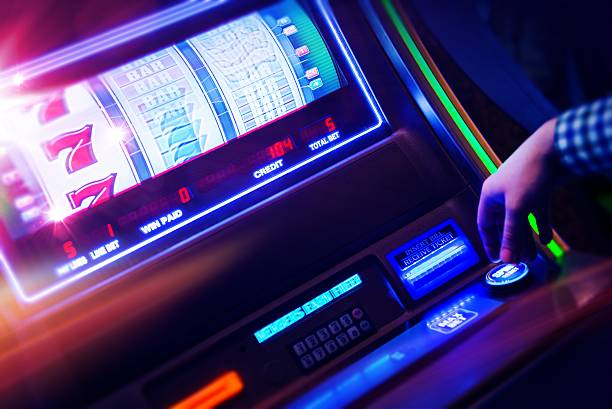
Lighting and color choices within a casino are meticulously curated to impact players’ emotional states and behaviors. Bright, vibrant colors can create a sense of urgency and excitement, while softer tones may encourage relaxation. For instance, casinos often use bright lights to highlight high-activity areas, such as slot machines and gaming tables, drawing attention to these locations. This strategic use of lighting can stimulate adrenaline rushes, prompting players to immerse themselves in games with greater enthusiasm.
Moreover, the regulation of lighting across different areas of the casino can influence the duration players spend in certain zones. Transitioning from a well-lit entrance to dimly lit gaming areas can create a shift in focus, entrancing players into the gaming experience. This technique, known as light manipulation, can subconsciously suggest to players that they have entered a different world—a place where time and monetary concerns are suspended and forgotten.
Color psychology plays a vital role as well; for example, blue is often associated with tranquility, while red can evoke strong feelings of excitement. By employing these colors purposefully throughout the casino, designers can manipulate emotions to enhance the gaming experience. A casino may use soft blue lighting in lounge areas while employing bolder colors on the gaming floor to evoke a sense of thrill and adventure. This dual approach can lead to extended playtime, ultimately resulting in increased spending among players.
The Economic Implications of Effective Casino Design
Effective casino design not only enhances player experience but also carries substantial economic implications for operators. By understanding how design influences player behavior, casinos can strategically invest in architectural features that maximize profits. A welcoming and engaging environment can lead to higher retention rates among players. A design that encourages longer visits translates directly to increased chances of higher spending, which significantly impacts a casino’s overall profitability.
Casinos often analyze player movement patterns and preferences, using this data to optimize their layout and offerings. By gaining insights into which games attract the most players or generate the highest revenue, casinos can tailor their spaces to effectively capture and sustain player interest. For example, if specific table games attract crowds, casinos may introduce additional tables or variations of those games to boost participation and spending.
Furthermore, the economic effects extend beyond immediate financial gains. A well-designed casino can elevate a city’s tourism profile, drawing in local players as well as international visitors. By providing immersive and attractive experiences, casinos can position themselves as key destinations, further contributing to the local economy through job creation and increased spending in surrounding businesses. Ultimately, design choices play a crucial role in shaping both player behavior and the economic success of a casino.
Conclusion and Future Perspectives on Casino Design
As the gambling industry evolves, understanding the impact of casino design on player behavior becomes increasingly critical. Casinos that prioritize innovative and strategic design elements are likely to thrive in a competitive market. The integration of technology, such as virtual reality and interactive gaming experiences, is pushing the boundaries of traditional design, offering new avenues for engaging players. By continually assessing player preferences and behaviors, casinos can adapt their design strategies to meet changing expectations.
Future advancements may see more personalized experiences driven by data analytics, allowing casinos to tailor their environments to individual player preferences. This customization could create deeper emotional connections with players, enhancing their overall experiences. As casinos strive for differentiation, they might invest in unique thematic designs that create memorable experiences, encouraging repeat visits and fostering loyalty.
Ultimately, the impact of casino design on player behavior highlights the intersection of psychology, architecture, and economics. Understanding this relationship is essential for operators looking to create engaging casinos that attract and retain players, ensuring sustained growth and success in the face of an ever-evolving industry landscape.